
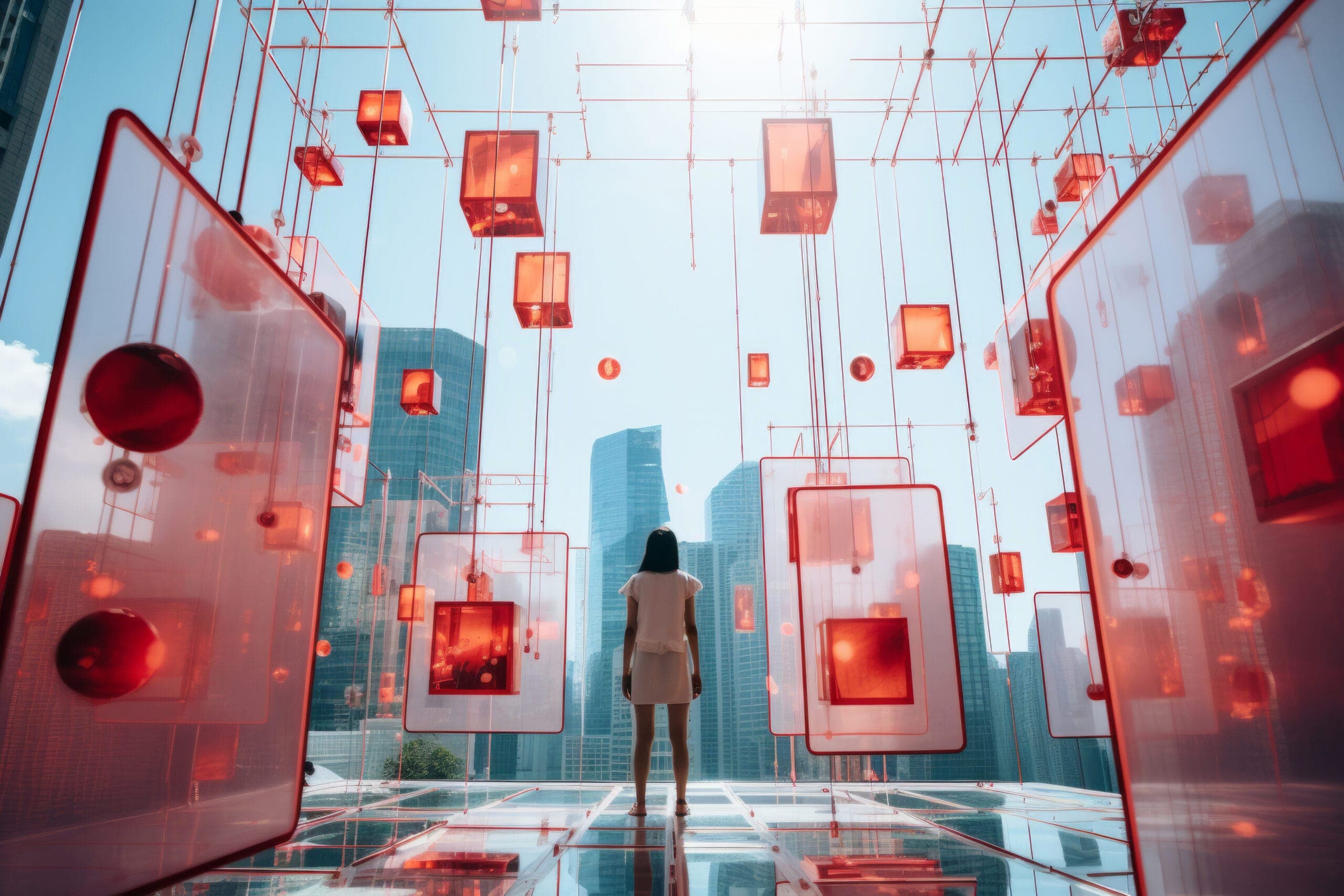
Brands around the world are digitising the perception of reality through CGI. In 2026, through photorealistic content and digital twin strategies, brands aim to adapt quickly to the market and take an environmentally conscious stance through sustainable communication.
Today the world’s leading brands—from Swedish furniture giants to Cupertino-based tech icons—speak a single common language: CGI (computer-generated imagery). “Reality” is no longer limited to the matter in front of the lens; it is an “architecture of perception” built by sculpting pixels flawlessly.
So why has digital craftsmanship become the new raw material of global brand communication in 2026?
From Photorealism to “Hyper-Reality”: Managing Perception
For world-class brands, a product image does more than present the product; it stands for the brand’s “promise of perfection”. Traditional photography is no longer enough to capture the way light glides across Apple’s iPhone casing or the reflection in a Tesla wheel detail.
Global Standard
Today, top-tier brands build “more real than real” (hyper-real) images using mathematical algorithms that mimic how light behaves in the physical world. This gives the brand unshakeable visual authority (visual equity).
The Digital Twin Strategy: Branding Before Production
In the global market, time-to-market is everything. The world’s largest marble and ceramics manufacturers create digital twins of their products before they have even left the quarry or the kiln.
Strategic Advantage
This approach eliminates logistics costs while allowing the brand to offer architects and designers anywhere in the world an instant, “applicable vision”. The weight of the physical world is overcome by the speed of the digital.
Sustainable Communication: Zero Waste, Infinite Scenarios
Growing awareness of sustainability around the world is also transforming big-budget productions. Instead of shipping tonnes of marble or ceramics thousands of kilometres, or building vast studios and sets, #VirtualCraftsmanship makes it possible to create endless spatial scenarios with a zero carbon footprint.
Future Vision
In 2026, a brand’s “green” stance is also measured by how far it has digitised its production processes.
“We don’t see projects like Laodikeia Marble or Seramiksan as merely local work. With our pixels, we make these brands part of the global aesthetic league. Because we know that what is flawless in the digital world opens every door in the real one.”