
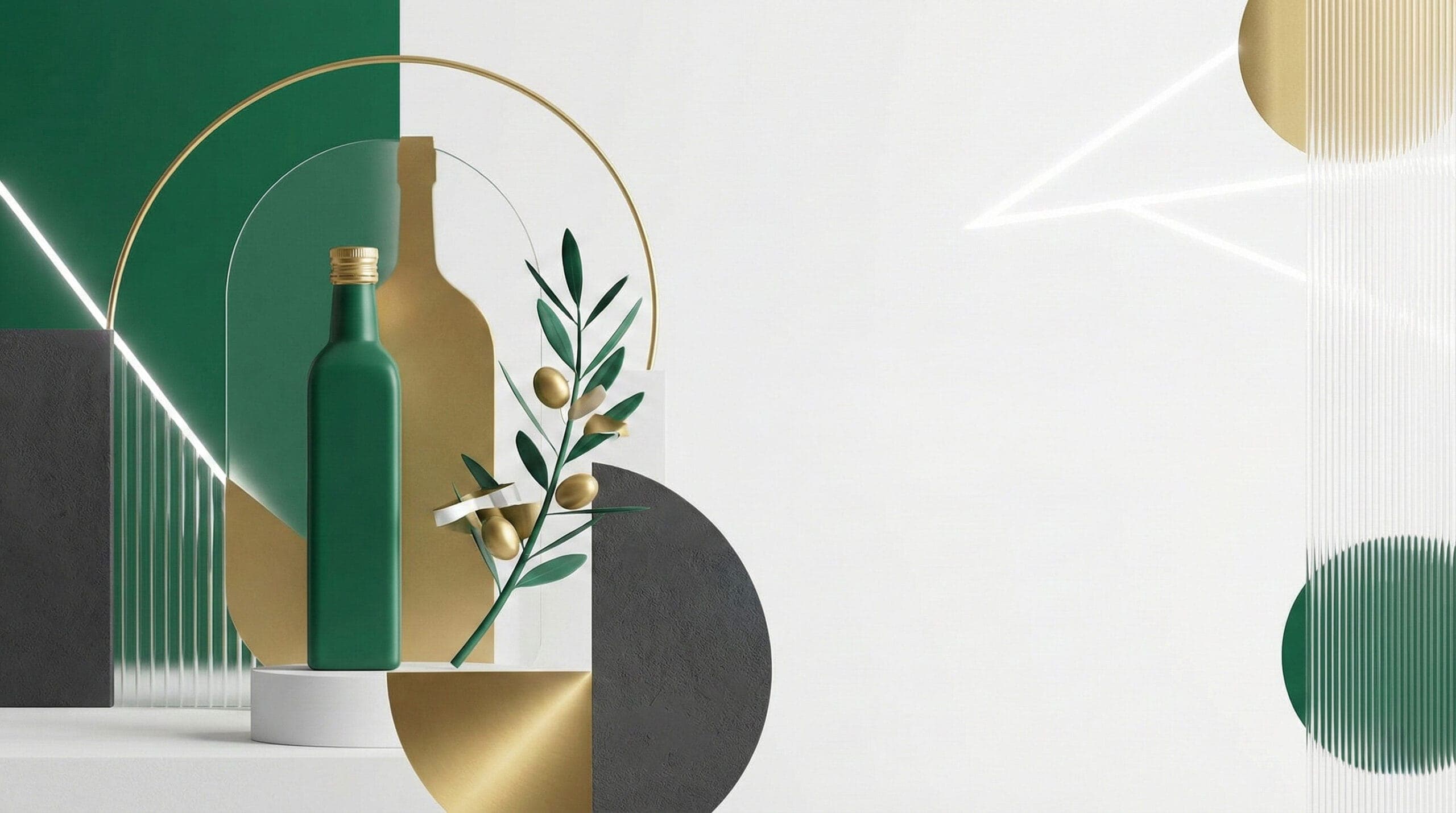
In 2026, food consumers want to see transparency and nostalgia side by side. As brands combine emotions from the past with modern design, they become cultural objects by creating a sense of belonging through packaging. Sustainability and natural beauty take centre stage.
In the food industry, what takes a product from the shelf to the table is not taste alone; it is the story the product tells and the trust it inspires. In 2026, consumers want to see transparency and nostalgia on the same pack. So how do brands with a long history stay modern? And how do new brands build a “timeless” presence?
The Power of Cultural Symbols: “The Tin That Became a Flowerpot”
Brand legacy management is not only about preserving the past; it is about translating the emotion of the past into the present. For our Tariş project, we drew inspiration from the iconic olive oil tins that become flowerpots on balconies across Turkey.
Strategic View
If a brand is kept at home even after the product is used up, it is no longer a consumer item but a cultural object. Imprinting that sense of belonging onto paper and metal through packaging design is advertising in its purest form.
Sensory Branding: Designing with the Senses
In food branding, “seeing” is not enough; when you look at a pack, you should be able to smell the aroma and feel the texture. That was our focus in the food styling and production process for our Mezita project: capturing the Mediterranean sun and the flow of olive oil on screen.
Trend Note
The trends of 2026 favour “imperfect beauty” and natural textures over heavily retouched, artificial imagery. This is where #SensoryBranding comes in: we whet the appetite by appealing not only to the stomach but to the mind.
Sustainability and Transparency in Gastro Design
A “less is more” philosophy defines the food packaging of the future. Clean typography, sustainable materials and QR-code-enabled stories about a product’s origins are the key to winning the loyalty of today’s consumers.
SEO Tip
On your website, the digital reflection of your packaging design, supporting “farm-to-table” stories with video content strengthens your authority in #GastroDesign.
“For us, food advertising is not the art of selling but an invitation to ‘set the table’. While protecting a brand’s heritage, we add the aesthetic touches that will give it pride of place on tomorrow’s tables.”